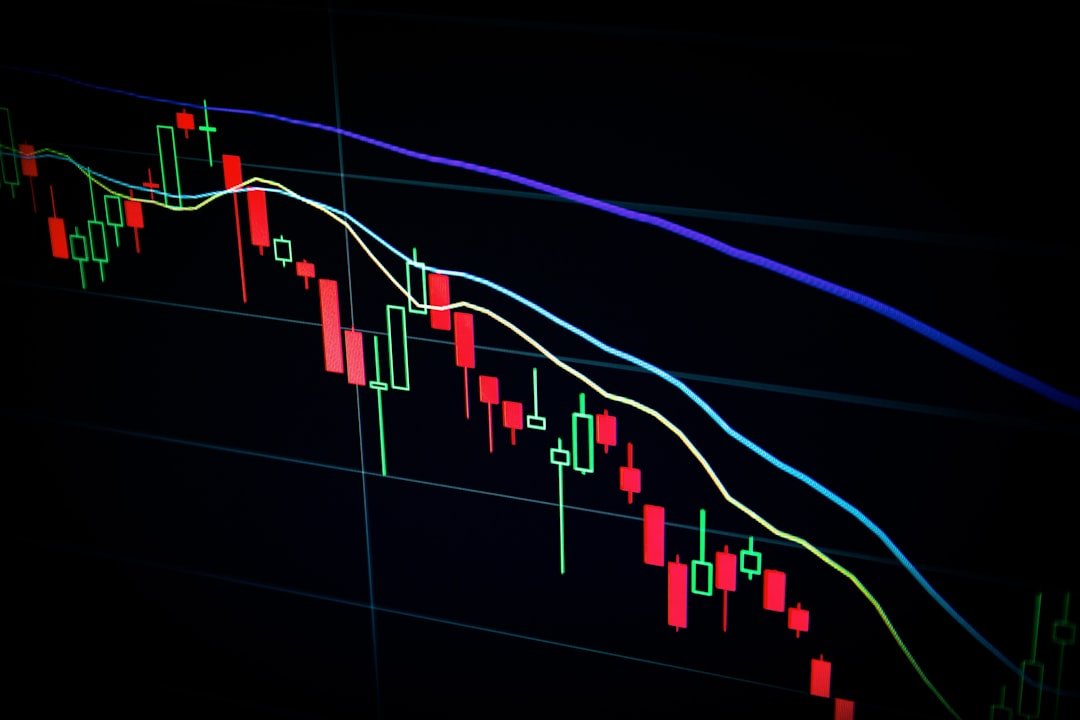
The whirlwind of the stock market, with its constant flux and the ever-present pressure to make the right call, can feel like navigating a storm. For traders, even a fractional misstep can have significant consequences. The pursuit of accuracy, therefore, is not merely an ambition; it’s a fundamental prerequisite for survival and success. In this quest, a powerful ally has emerged: real-time market analytics. Gone are the days of relying solely on end-of-day reports or delayed data. Today, harnessing the power of information as it unfurls is transforming the trading landscape, offering unprecedented opportunities to sharpen decision-making and elevate trading accuracy.
The very essence of real-time market analytics lies in its immediacy. It’s about capturing, processing, and interpreting market data at the exact moment it becomes available, or as close to it as technologically feasible. This stands in stark contrast to traditional analytical methods that often operate on historical data, providing insights into past trends but offering less predictive power in the rapidly evolving present.
What Constitutes Real-Time Data?
For the purposes of trading, “real-time” typically refers to data that is updated with a very minimal delay, often measured in milliseconds or seconds. This encompasses a broad spectrum of information:
Price Feeds and Order Book Dynamics
The most fundamental real-time data points are live price feeds for all tradable assets – stocks, bonds, commodities, currencies, and derivatives. Beyond just the current bid and ask prices, understanding the depth of the order book is crucial. This reveals the volume of buy and sell orders at various price levels, providing a snapshot of immediate supply and demand pressures.
- Bid-Ask Spread Fluctuations: Real-time monitoring of the bid-ask spread can signal changes in liquidity and market sentiment. A widening spread might indicate increased volatility or a lack of interest, while a tightening spread suggests active trading and tighter margins.
- Order Flow Imbalances: Analyzing the real-time flow of buy and sell orders can highlight immediate shifts in market conviction. A sudden surge in buy orders, even at slightly higher prices, might precede a price rally, and vice versa.
News and Sentiment Analysis
The stock market doesn’t operate in a vacuum. Geopolitical events, economic reports, company-specific news, and even social media chatter can have an immediate impact on asset prices. Real-time analytics platforms can ingest and process this information at lightning speed.
- Algorithmic News Aggregation: Sophisticated algorithms can scan vast amounts of news sources, identifying keywords and relevant events that are likely to affect specific markets or securities.
- Sentiment Scoring: Natural Language Processing (NLP) techniques can analyze the tone and sentiment of news articles and social media posts, providing traders with a real-time gauge of market mood – whether it’s optimistic, pessimistic, or neutral.
Economic Indicators and Macroeconomic Events
While major economic reports are often released on a schedule, the market’s reaction is immediate. Real-time analytics can help traders react to these announcements as they happen.
- Flash Crashes and Spikes: Unexpectedly strong or weak economic data can trigger rapid price movements. Real-time analysis allows for swift identification and potential exploitation of these opportunities.
- Global Event Tracking: Major global events, from elections to natural disasters, can have ripple effects across markets. Real-time tracking of these events and their immediate market correlations is invaluable.
The Technology Behind Real-Time Analytics
The ability to process and deliver such a torrent of data in real-time relies on robust technological infrastructure and advanced algorithms.
High-Frequency Data Feeds
Traders rely on specialized data vendors that provide direct, low-latency connections to exchange data. These feeds bypass intermediaries, minimizing the time it takes for price changes to reach the trader.
- Direct Market Access (DMA): This technology allows traders to place orders directly on the exchange, bypassing broker order management systems and reducing execution latency.
- Colocation: For the most speed-sensitive strategies, colocation involves physically placing trading servers within the same data centers as the exchange’s matching engines.
Sophisticated Algorithms and Machine Learning
Raw data, no matter how timely, is useless without interpretation. Advanced algorithms, including machine learning and artificial intelligence, are employed to sift through the data, identify patterns, and generate actionable insights.
- Pattern Recognition: Algorithms can detect recurring price and volume patterns that may indicate future price movements, often faster than human observation.
- Predictive Modeling: Machine learning models can be trained on vast datasets to forecast potential price trajectories based on a multitude of real-time inputs.
- Anomaly Detection: Identifying unusual deviations from normal market behavior can alert traders to potential opportunities or risks that might otherwise go unnoticed.
Enhancing Trading Accuracy Through Real-Time Data Interpretation
The true power of real-time market analytics lies in its ability to translate raw, immediate data into actionable intelligence, directly impacting trading accuracy. By providing a dynamic and nuanced view of market forces, these tools empower traders to make more informed and timely decisions.
Anticipating Market Movements
Instead of reacting to past price changes, real-time analytics allows traders to anticipate future movements by observing the underlying currents.
Identifying Shifting Supply and Demand
The order book, as mentioned, is a live battlefield of buyers and sellers. Real-time analysis of its depth and changes can reveal where the pressure is building.
- Accumulation and Distribution Signals: Observing consistent buying pressure at lower price levels (accumulation) or selling pressure at higher levels (distribution) can be early indicators of potential trend reversals or continuations.
- “Whale” Activity Detection: Large institutional orders, often referred to as “whale” trades, can significantly influence prices. Real-time analytics can sometimes detect the placement or execution of these massive orders, providing a strong directional signal.
Gauging Market Sentiment and News Impact
The speed at which news travels and impacts markets is now almost instantaneous. Real-time sentiment analysis helps traders stay ahead of the curve.
- Pre-emptive Trading: If a sentiment analysis tool flags overwhelmingly positive news about a company before it’s widely disseminated, a trader might position themselves to benefit from the anticipated price surge.
- Risk Mitigation: Conversely, negative sentiment can be an early warning of potential price drops, allowing traders to reduce exposure or even initiate short positions.
Optimizing Trade Execution
Accuracy in trading isn’t just about predicting the right direction; it’s also about executing trades at the most favorable prices and times. Real-time analytics plays a critical role here.
Minimizing Slippage
Slippage occurs when the execution price of a trade differs from the intended price, often due to market volatility. Real-time data allows for more precise execution.
- Understanding Real-Time Liquidity: Knowing the immediate depth of the market at different price points enables traders to choose execution strategies that minimize the impact of their order on the price.
- Algorithmic Execution: Real-time analytics can feed into algorithmic trading systems that automatically break down large orders into smaller chunks, executing them strategically to achieve better average prices and reduce slippage.
Timing Entries and Exits
The difference between a profitable trade and a losing one can often be a matter of minutes or even seconds. Real-time data provides the precision needed for optimal timing.
- Breakout and Breakdown Confirmation: Identifying potential price breakouts or breakdowns in real-time, and confirming them with subsequent price action and volume, allows for timely entries.
- Trailing Stops and Profit Targets: Real-time price monitoring can be used to dynamically adjust trailing stop-loss orders and profit targets, ensuring that gains are captured and losses are limited as the market moves.
Leveraging Real-Time Analytics for Different Trading Strategies
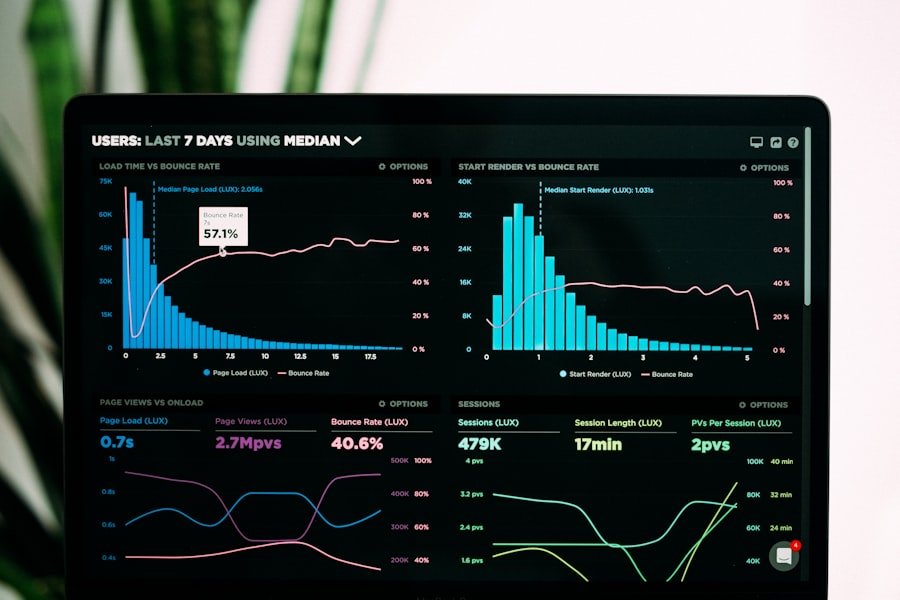
The applicability of real-time market analytics extends across a wide spectrum of trading strategies, each benefiting in unique ways from the immediacy of data.
High-Frequency Trading (HFT)
This strategy, by its very definition, is entirely reliant on real-time data. HFT firms use powerful algorithms and ultra-low latency infrastructure to execute a large number of orders at extremely high speeds, profiting from tiny price discrepancies.
Microstructure Analysis
HFT strategies often delve into the micro-structure of the market – the intricate details of how orders are placed and filled. Real-time analytics are indispensable for this.
- Order Book Imbalance Analysis: HFT algorithms constantly scan for minute imbalances in the order book, which can signal fleeting trading opportunities.
- Latency Arbitrage: Exploiting tiny differences in price across different exchanges or data feeds, often within milliseconds, is a core HFT strategy that necessitates real-time data.
Algorithmic Arbitrage
Identifying and exploiting price discrepancies between related assets or across different markets in real-time.
- Statistical Arbitrage: Utilizing complex statistical models to identify temporary mispricings between assets that historically move together. Real-time data is essential to detect and act on these fleeting opportunities.
- Index Arbitrage: Trading futures contracts and the underlying basket of stocks to profit from any price misalignment. This requires real-time pricing of both components.
Day Trading
Day traders aim to profit from intraday price fluctuations. Real-time analytics provides the crucial edge needed to make quick and accurate decisions within a single trading session.
Intraday Trend Identification
Identifying and capitalizing on short-term price trends that emerge throughout the day.
- Real-Time Charting and Technical Indicators: Live charting platforms with up-to-the-minute data allow day traders to apply technical indicators like Moving Averages, RSI, and MACD to identify potential entry and exit points.
- Volume Spikes: Sudden increases in trading volume, especially in conjunction with price movements, can be strong indicators of conviction and potential continuation of a trend.
News-Driven Trading
Day traders often react to breaking news and economic releases. Real-time news feeds and sentiment analysis are critical for this.
- Event-Driven Trading: Identifying opportunities created by unexpected economic data releases or corporate announcements and executing trades before the broader market fully digests the information.
- Social Media Monitoring: While often volatile, social media can be a source of early sentiment shifts. Real-time analysis of relevant discussions can provide a heads-up on potential market reactions.
Swing Trading and Position Trading
While these strategies operate on longer timeframes, real-time analytics still offers significant advantages in confirming trends and optimizing entry/exit points.
Trend Confirmation and Strength Assessment
For swing and position traders, real-time data can help confirm the strength and sustainability of longer-term trends.
- Real-Time Volume Analysis: While not the primary driver, observing consistent volume supporting a trend on a longer-term chart can provide added conviction.
- Moving Average Crossovers: Real-time monitoring of how prices interact with longer-term moving averages can provide confirmation of trend shifts or continuations.
Identifying Optimal Entry and Exit Points
Even with a longer-term outlook, precise entry and exit points can significantly impact profitability.
- Pullback and Retracement Analysis: Identifying opportune moments to enter a trend during temporary pullbacks, using real-time price action to confirm support or resistance levels.
- Profit Taking and Stop-Loss Adjustment: Dynamically adjusting profit targets and stop-loss orders based on real-time market conditions to maximize gains and minimize risk as the trade progresses.
Overcoming the Challenges of Real-Time Market Analytics
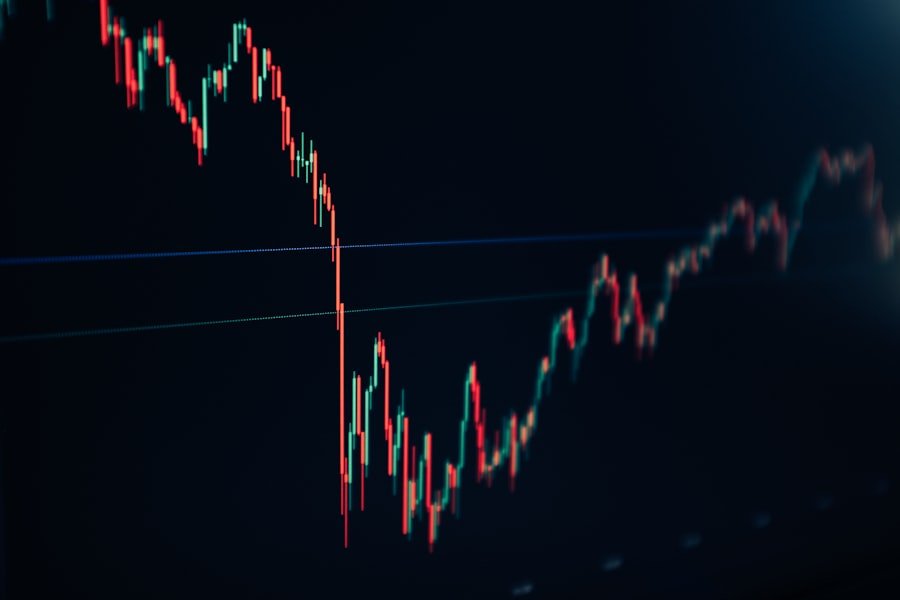
While the benefits are clear, the effective implementation of real-time market analytics is not without its hurdles. Traders must be aware of and prepared to address these challenges to truly harness its potential.
Data Overload and Information Fatigue
The sheer volume of data generated in real-time can be overwhelming. Traders can experience “information fatigue,” leading to decision paralysis or misinterpretation.
Filtering and Prioritization
The key is not to consume all data, but to focus on what is relevant to your trading strategy and goals.
- Customizable Dashboards and Alerts: Setting up personalized dashboards that display only the most critical data points and configuring alerts for specific market events or price movements.
- Pre-defined Watchlists: Creating focused watchlists of assets and indicators that are most relevant to your trading approach.
Developing a Robust Decision-Making Framework
Having a clear trading plan and predefined criteria for making decisions helps to cut through the noise.
- Pre-set Trading Rules: Establishing clear rules for entering and exiting trades based on specific analytical signals, reducing reliance on subjective real-time interpretation.
- Scenario Planning: Thinking through potential market scenarios and how you would react to them based on available real-time data.
Technological Infrastructure and Costs
Accessing and processing real-time data requires significant investment in technology and data subscriptions.
Selecting Appropriate Tools and Platforms
The market offers a wide array of tools, from free basic charting to sophisticated institutional-grade platforms.
- Assessing Your Needs: Understanding the type of data, speed, and analytical capabilities required for your specific trading strategy.
- Cost-Benefit Analysis: Evaluating the cost of data feeds, software subscriptions, and hardware against the potential return on investment.
Ensuring Reliable Connectivity
A stable and fast internet connection is paramount. Any disruption can lead to missed opportunities or costly errors.
- Redundant Internet Connections: Utilizing multiple internet service providers to ensure continuous connectivity.
- Low-Latency Network Solutions: For institutional traders, investing in dedicated fiber optic lines and optimized network infrastructure.
The Human Element: Cognitive Biases and Emotional Control
Even with the best analytical tools, human psychology can still undermine trading accuracy. Real-time data can exacerbate certain biases.
Confirmation Bias and Overtrading
The tendency to seek out and interpret information that confirms pre-existing beliefs can lead to poor decisions. The immediacy of real-time data can amplify this.
- Objective Data Interpretation: Striving to interpret data objectively, even if it contradicts your initial assumptions.
- Diversifying Analytical Inputs: Relying on a combination of analytical methods rather than solely on one that confirms your bias.
Emotional Reactions to Volatility
Sudden price swings, common in real-time markets, can trigger fear or greed, leading to impulsive decisions.
- Trading Psychology Training: Understanding and actively working to mitigate the impact of emotional biases on trading decisions.
- Discipline and Patience: Sticking to your trading plan, even when faced with short-term market fluctuations, is crucial.
The Future of Real-Time Market Analytics in Trading
| Metric | Without Real-Time Analytics | With Real-Time Analytics | Improvement |
|---|---|---|---|
| Trade Execution Speed (seconds) | 15 | 3 | 80% faster |
| Accuracy of Market Predictions (%) | 60 | 85 | 25% increase |
| Profitability per Trade (points) | 5 | 12 | 140% increase |
| Risk Exposure (average loss per trade) | 8 | 3 | 62.5% reduction |
| Number of Trades Analyzed per Minute | 50 | 500 | 900% increase |
| Decision-Making Confidence (%) | 55 | 90 | 35% increase |
The evolution of real-time market analytics is far from over. As technology advances and our understanding of market dynamics deepens, we can expect even more sophisticated and impactful applications.
Advancements in Artificial Intelligence and Machine Learning
AI and ML are poised to become even more integral to real-time analytics, enabling deeper insights and more automated decision-making.
Predictive AI Models
Future AI models will likely offer more accurate and granular predictions of market movements, incorporating an ever-wider array of real-time data points.
- Probabilistic Forecasting: AI could provide probabilities for various market scenarios, allowing traders to make more nuanced risk-reward assessments.
- Adaptable Algorithms: ML algorithms will become increasingly adept at adapting to changing market conditions and identifying novel patterns.
Explainable AI (XAI)
As AI becomes more complex, the demand for explainable AI will grow. Traders will want to understand why an AI suggests a particular trade.
- Transparency in Decision-Making: XAI will provide insights into the factors that influenced an AI’s recommendation, fostering greater trust and understanding.
- Learning from AI Insights: Traders can use XAI to refine their own understanding of market mechanics and improve their analytical skills.
The Rise of Alternative Data and Its Real-Time Integration
Beyond traditional financial data, alternative data sources are becoming increasingly important. Real-time analysis of these sources can offer unique predictive power.
Satellite Imagery, Social Media, and Geolocation Data
The ability to process and analyze these diverse data streams in real-time is opening new frontiers.
- Supply Chain Monitoring: Real-time analysis of satellite imagery showing activity at ports or factories can predict disruptions or surges in production.
- Consumer Behavior Analysis: Tracking online search trends, social media sentiment, and even credit card transaction data (anonymized, of course) can provide early indicators of consumer demand for specific products or services.
IoT and Sensor Data
The proliferation of the Internet of Things (IoT) is generating a wealth of real-time data that can be leveraged for market analysis.
- Industrial Output Monitoring: Sensors in factories can provide real-time data on production levels, impacting commodity prices.
- Energy Consumption Patterns: Real-time tracking of energy usage can signal economic activity or shifts in industrial demand.
Enhanced Personalization and Adaptive Trading Systems
The future will likely see a greater emphasis on personalized analytical tools and adaptive trading systems that tailor themselves to individual traders.
Personalized Trading Workflows
Systems that learn a trader’s preferences, risk tolerance, and strategy to provide highly customized real-time insights and alerts.
- Dynamic Strategy Adjustment: Trading systems that can suggest adjustments to a trader’s strategy based on real-time market conditions and their past performance.
- Intelligent Order Placement: AI-powered systems that can optimize order placement based on real-time liquidity, volatility, and the trader’s specific objectives.
In conclusion, real-time market analytics is no longer a luxury for traders; it’s an essential component of achieving and maintaining trading accuracy in today’s dynamic financial markets. By providing immediate access to critical data, empowering insightful interpretation, and enabling optimized execution, these powerful tools are fundamentally reshaping the way traders approach their craft. While challenges exist, the continuous innovation in technology and analytical methodologies promises an even more sophisticated and impactful future for real-time market analytics, further empowering traders to navigate the complexities of the market with greater precision and confidence.