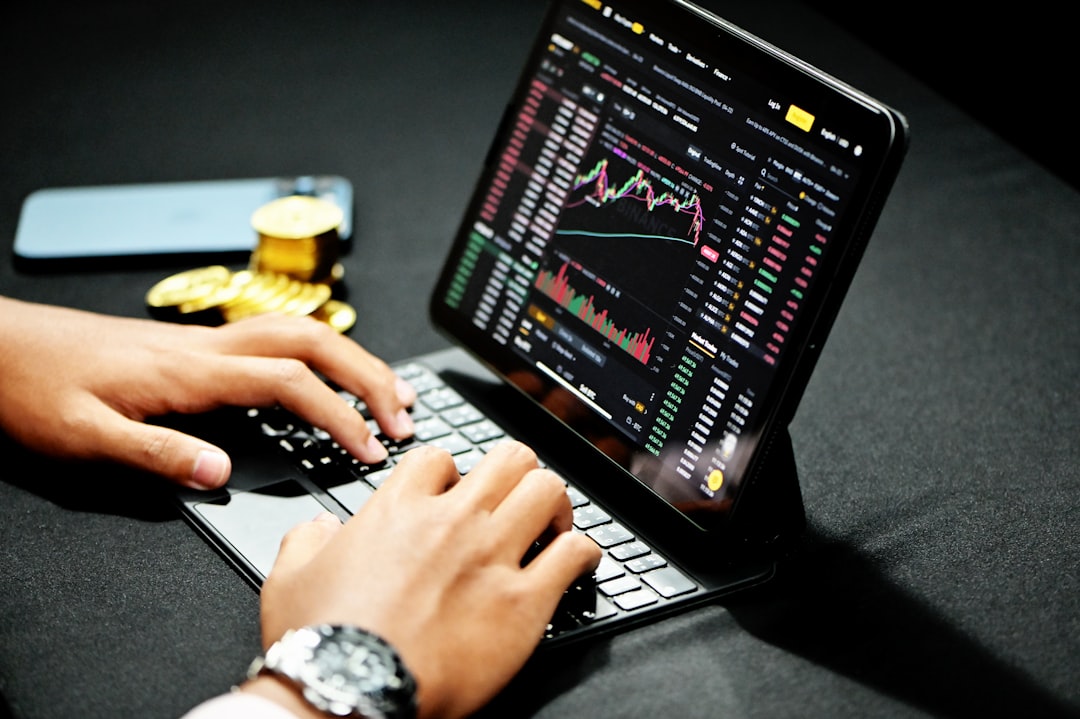
The financial markets, particularly the US stock market, are dynamic and complex, presenting both opportunities and challenges for investors. In recent years, Artificial Intelligence (AI) has emerged as a transformative technology, offering new avenues for market analysis and decision-making. This guide will explore how AI can be leveraged to generate accurate buy and sell signals, providing a foundational understanding for beginners.
The traditional approach to stock market analysis often involves fundamental and technical analysis, relying on human interpretation of financial statements, economic indicators, and historical price patterns. While effective, these methods can be time-consuming and prone to human bias. AI, with its capacity for processing vast datasets and identifying intricate patterns, offers a powerful complement, and in some cases, an alternative.
What are Buy and Sell Signals?
At its core, a buy signal indicates an opportune moment to purchase a security, suggesting its price is likely to appreciate. Conversely, a sell signal suggests that a security’s price is likely to decline, prompting a sale to either lock in profits or minimize losses. These signals are the actionable outcomes of market analysis.
How AI Enhances Signal Generation
AI algorithms can analyze a multitude of variables simultaneously, far exceeding human capacity. This includes quantitative data like price, volume, and volatility, as well as qualitative data such as market sentiment derived from news articles and social media. The integration of such diverse data sources allows AI to identify high-probability trading opportunities that might otherwise go unnoticed. For instance, platforms like Tickeron AI Signals (as highlighted in the 2026 Guide) are designed to analyze hundreds of such variables, providing not just alerts but also crucial contextual information like entry and stop-loss targets, alongside confidence scores. This level of detail is invaluable for beginners seeking to understand the rationale behind a signal.
For those interested in enhancing their trading strategies, a related article titled “Understanding Market Trends: A Comprehensive Guide” provides valuable insights into identifying key market movements. This resource complements the beginner’s guide on how to get accurate buy and sell signals using AI by offering a deeper understanding of market dynamics. You can read the article here: Understanding Market Trends: A Comprehensive Guide.
The AI Signal Generation Process: A Step-by-Step Overview
Generating effective buy and sell signals using AI is not a push-button solution; it involves a systematic process of data collection, model training, and continuous refinement. Understanding this process is crucial for users to appreciate the signals they receive.
Data Collection and Preprocessing
The foundation of any AI model is data. For stock market signal generation, this includes historical price data (ohlc – open, high, low, close), trading volume, fundamental financial data (e.g., earnings reports, balance sheets), macroeconomic indicators, and alternative data sources like news sentiment and social media mentions. The quality and breadth of this data directly impact the AI model’s performance. For example, the Liquidity Finder AI Guide (2026) emphasizes NLP sentiment analysis from news and social platforms as a key component of their predictive analytics, showcasing the value of varied data inputs.
Model Selection and Training
Once the data is prepared, various AI models can be employed. These range from traditional machine learning algorithms like decision trees and support vector machines to more advanced deep learning models such as recurrent neural networks (RNNs) and convolutional neural networks (CNNs), particularly effective for time-series analysis. The choice of model depends on the specific problem being addressed and the characteristics of the data. During training, the AI learns to identify patterns and relationships within the historical data that correlate with future price movements. This process essentially teaches the AI what constitutes a “buy” or “sell” condition.
Backtesting and Optimization
Before deploying any AI-generated signals in a live trading environment, rigorous backtesting is essential. This involves testing the AI model against historical data it has not previously encountered to evaluate its performance. Platforms like QuantConnect and Trade Ideas, mentioned in the Liquidity Finder AI Guide (2026), provide robust environments for backtesting AI signals and hybrid strategies. Backtesting helps to identify potential flaws, measure profitability, and calculate risk metrics. Based on these results, the AI model and its parameters can be optimized to improve accuracy and reduce false signals. The 2026 Pioneer Bots Guide also highlights the importance of backtesting for parameter recommendations, even for pre-built bots, demonstrating its universal relevance.
Practical Applications of AI for Signal Generation
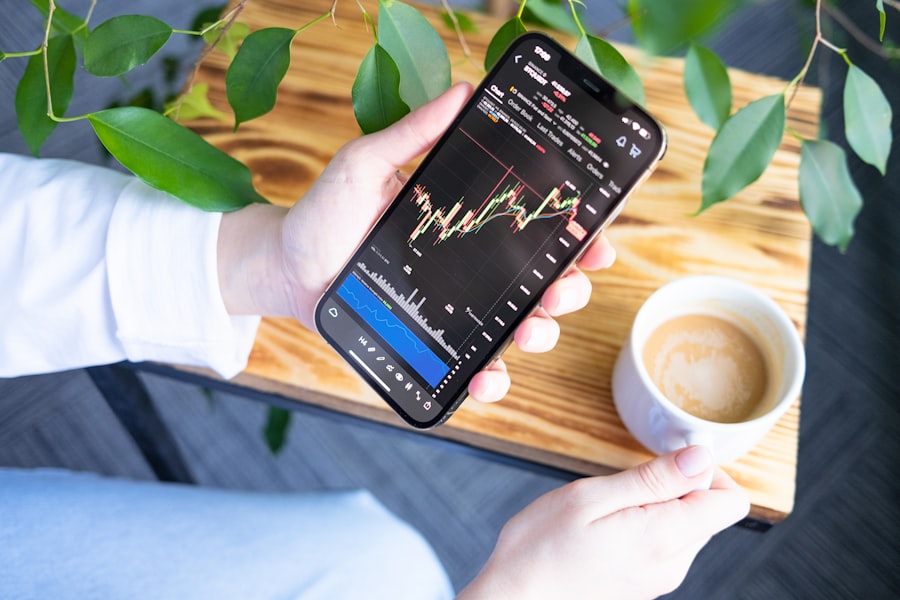
AI-driven signal generation is not confined to theoretical discussions; it has tangible applications that can significantly impact a beginner’s trading journey. From readily available bots to personalized strategy development, the options are expanding.
Utilizing Pre-built AI Bots and Platforms
For beginners, a straightforward entry point into AI trading signals is through pre-built bots and platforms. These solutions abstract away the complexities of AI model development, offering ready-to-use signals or automated trading functionalities.
Daily Trade Signal Feeds
Platforms like Tickeron AI Signals provide daily trade signals that filter high-odds trades across various asset classes. These feeds often include crucial details such as entry points, stop-loss levels, and profit targets, along with confidence scores, allowing beginners to make informed decisions without deep technical knowledge. The clarity and structure of these feeds make them ideal for learning and implementation.
Automated Trading Bots
Several platforms offer AI-powered trading bots that can execute trades automatically based on pre-defined strategies or AI-generated signals. Pionex, for instance, offers 16 free bots with AI strategy recommendations based on backtesting, suitable for beginners interested in grid, DCA (Dollar-Cost Averaging), or arbitrage strategies. These bots simplify the trading process by handling execution, but it’s crucial to understand their underlying logic and risk management features. The YouTube Day Trading Bot Tutorial (2026) demonstrating a Telegram bot generating real-time buy/sell signals for currency pairs, and purportedly showing a high success rate, further illustrates the accessibility of such automated tools, even for short-term trading.
Developing Custom AI Strategies
While pre-built solutions are excellent for beginners, those seeking more control and customization can explore developing their own AI-powered trading strategies. This requires a deeper understanding of AI and financial markets but offers greater flexibility.
Leveraging AI for Strategy Development and Backtesting
Tools like ChatGPT and Claude (as seen in the $10K AI Technique YouTube 2026 Beginners guide) can assist in the initial stages of strategy development and backtesting. Beginners can describe their trading ideas, and the AI can help to refine these concepts, suggest relevant indicators, and even assist in coding simple backtesting scripts. This approach allows for iterative development and testing of unique trading hypotheses. It avoids fully hands-off bots, encouraging more active participant engagement in the strategy.
Combining Indicators with AI
The YouTube channel “Trading Prep” (2026 Advanced Tips) suggests combining traditional indicators like MACD, Bollinger Bands, and volume into custom AI-generated buy/sell labels. This hybrid approach leverages the strengths of both traditional technical analysis and AI. The AI can be trained to recognize specific confluence patterns among these indicators, predicting outcomes like a 1% return within a specified timeframe (e.g., 50 candles). This integration allows for more nuanced and context-aware signal generation.
Navigating the Challenges and Risks
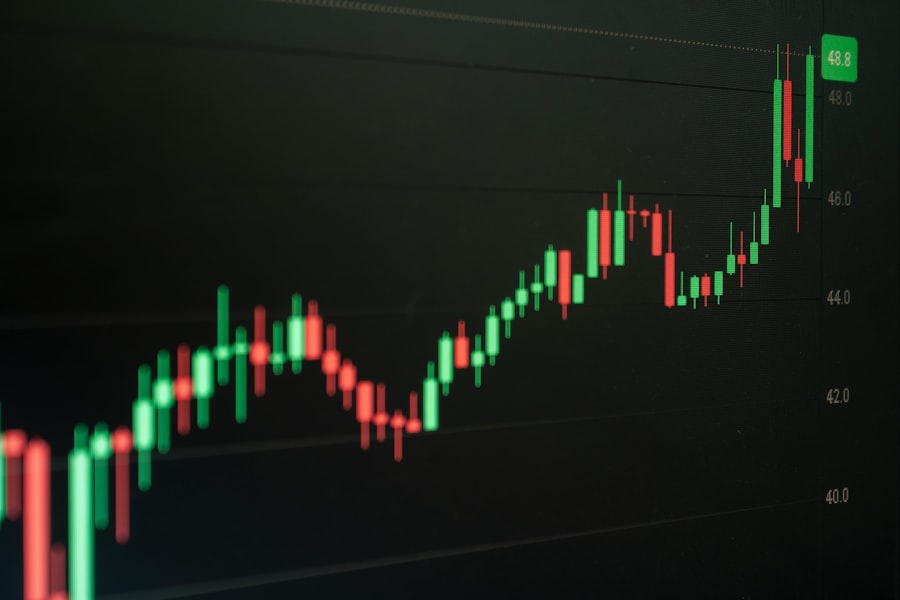
While AI offers significant advantages, it’s crucial for beginners to approach its use with a realistic understanding of the challenges and inherent risks. AI is a tool, not a guarantee of profits.
Data Quality and Bias
The old adage “garbage in, garbage out” applies directly to AI. If the data used to train an AI model is incomplete, inaccurate, or biased, the signals generated will reflect these deficiencies. For instance, a model trained on data from a highly bullish market might struggle to perform in a bear market, exhibiting a bias towards long positions. Regular auditing and refinement of data sources are essential.
Model Overfitting
Overfitting occurs when an AI model learns the training data too well, capturing noise and random fluctuations rather than underlying patterns. An overfit model will perform exceptionally well on historical data but poorly on new, unseen data. Rigorous backtesting with unseen data, cross-validation techniques, and regularization methods are crucial for mitigating overfitting.
Market Volatility and Black Swan Events
Financial markets are inherently unpredictable, and “black swan” events – rare and unforeseen occurrences with extreme impact – can render even the most sophisticated AI models ineffective. AI models are typically trained on historical data, which by definition, does not contain records of truly unprecedented events. While AI can adapt to changing market conditions, sudden and drastic shifts can lead to incorrect signals and significant losses. Therefore, AI should be seen as a tool to assist decision-making, not replace human oversight and risk management during such periods.
Regulatory and Ethical Considerations
As AI becomes more prevalent in financial markets, regulatory bodies are increasingly scrutinizing its use. Beginners should be aware of potential regulations regarding AI in trading, data privacy, and algorithmic fairness. Ethical considerations surrounding the potential for market manipulation or unintended consequences of AI algorithms also warrant attention, although these are typically more relevant for institutional players.
For those interested in enhancing their trading strategies, a related article that delves deeper into the practical applications of AI in financial markets is available. This insightful piece explores various algorithms and tools that can help traders refine their decision-making processes. You can read more about these advanced techniques in the article on AI Trading Strategies, which complements the beginner guide on how to get accurate buy and sell signals using AI.
Best Practices for Beginners Using AI Signals
| Metrics | Description |
|---|---|
| Accuracy | The percentage of correct buy and sell signals generated by the AI model. |
| Precision | The proportion of true buy and sell signals among all the generated buy and sell signals. |
| Recall | The proportion of true buy and sell signals that were correctly identified by the AI model. |
| F1 Score | The harmonic mean of precision and recall, providing a balance between the two metrics. |
| Confusion Matrix | A table showing the true positive, true negative, false positive, and false negative predictions of the AI model. |
To maximize the benefits of AI-generated signals while minimizing risks, beginners should adopt a disciplined and informed approach.
Start with a Demo Account and Practice
Before committing real capital, always begin by using AI signals in a demo or paper trading account. This allows you to understand how the signals work, evaluate their accuracy in real-time market conditions, and familiarize yourself with the intricacies of trade execution without financial risk. The MQL5 Alpha Pulse AI (2026 Prep) guide suggests a 4-week setup checklist from demo to live, emphasizing the importance of this transitional period.
Understand the Underlying Logic
Do not blindly follow AI signals. Take the time to understand the factors considered by the AI, the confidence levels associated with each signal, and the recommended entry/exit points. For platforms like Tickeron, understanding the “why” behind a signal, including the variables analyzed and the confidence score, is vital for building trust and informed decision-making.
Diversify and Manage Risk
Regardless of the accuracy of AI signals, always practice sound risk management principles. Diversify your portfolio across different assets and sectors, and never invest more than you can afford to lose. Implement stop-loss orders to limit potential downsides on individual trades. AI assists in identifying opportunities, but robust risk management remains a human responsibility.
Continuous Learning and Adaptation
The AI landscape and financial markets are constantly evolving. Stay informed about new AI developments, refine your understanding of market dynamics, and be prepared to adapt your strategies. Regularly review the performance of the AI signals you are using and be open to adjusting your approach as market conditions change. The “AI Crypto Trading YouTube Guide” (2026) stresses the importance of leveraging AI for crypto profits, particularly with automation tailored for beginners, reflecting the continuous need for adaptation in new markets.
Conclusion
Utilizing AI for generating buy and sell signals represents a significant advancement in stock market analysis, offering beginners an accessible pathway to more informed trading decisions. From leveraging advanced analytics that process hundreds of variables to employing pre-built bots for automated execution, AI provides powerful tools for identifying high-probability trading opportunities. However, true success lies not just in the technology itself, but in a beginner’s commitment to understanding its mechanisms, practicing due diligence through backtesting and demo trading, and adhering to sound risk management principles. By approaching AI with a blend of curiosity, skepticism, and discipline, beginners can effectively harness its potential to navigate the complexities of the US stock market.
FAQs
What is AI in trading?
AI in trading refers to the use of artificial intelligence technologies, such as machine learning and deep learning, to analyze market data and generate buy and sell signals for trading assets.
How does AI generate buy and sell signals?
AI generates buy and sell signals by analyzing historical market data, identifying patterns and trends, and using predictive algorithms to forecast future price movements of trading assets.
What are the benefits of using AI for trading signals?
The benefits of using AI for trading signals include increased accuracy in predicting market movements, faster analysis of large volumes of data, and the ability to adapt to changing market conditions.
What are some common AI trading strategies for generating signals?
Common AI trading strategies for generating signals include trend following, mean reversion, sentiment analysis, and pattern recognition.
Are there any risks associated with using AI for trading signals?
Some risks associated with using AI for trading signals include overfitting of models to historical data, reliance on past performance as an indicator of future results, and the potential for technical glitches or errors in AI algorithms.