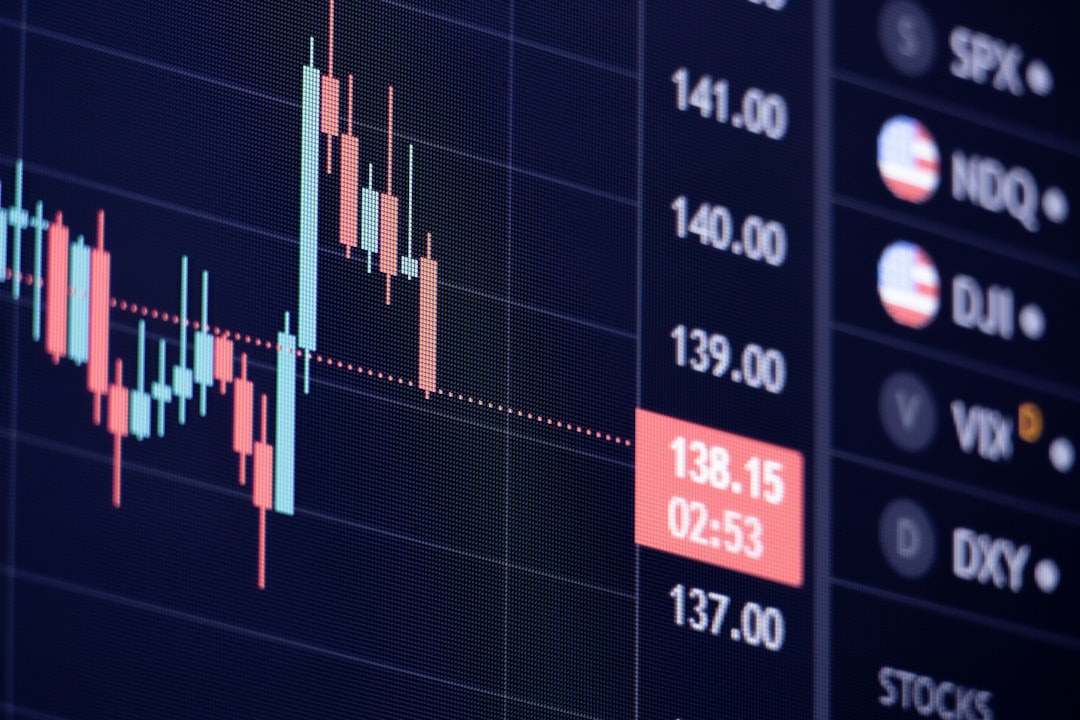
The financial world, always a dynamic and often volatile landscape, is undergoing a profound transformation driven by artificial intelligence. As markets become increasingly complex, interconnected, and susceptible to rapid shifts, the traditional approaches to risk management are proving insufficient. Enter AI, a revolutionary force poised to redefine how we identify, assess, and mitigate risks, ultimately safeguarding capital in these perilous environments. No longer a futuristic concept, AI-based risk management is rapidly becoming a cornerstone of robust financial operations, enabling institutions to navigate uncertainty with greater precision and resilience.
The Evolving Landscape of Financial Risk
The financial market of today is a beast of many heads, each presenting its own unique set of challenges. From geopolitical instability to rapid technological advancements, the sources of risk are proliferating, demanding ever more sophisticated responses.
Traditional Risk Management: A Solid Foundation, but Limited Reach
Historically, risk management relied heavily on statistical models, expert judgment, and historical data analysis. These methods have served well in stable environments, establishing a solid foundation for understanding conventional risks like credit risk, market risk, and operational risk. However, their limitations become starkly apparent when confronted with novel, fast-evolving threats or when dealing with vast, unstructured datasets. The sheer volume and velocity of information in modern markets often overwhelm human analytical capabilities and static models.
Emerging Threats and the Need for Agility
The rise of high-frequency trading, interconnected global economies, and the increasing sophistication of cyber threats have created an urgent need for more agile and proactive risk management strategies. Flash crashes, systemic shocks, and novel fraud schemes are just a few examples of risks that demand real-time monitoring and predictive capabilities. Furthermore, the advent of new financial instruments and investment strategies adds layers of complexity, making comprehensive risk assessment an ongoing, dynamic process rather than a periodic review.
In the realm of AI-Based Risk Management, the importance of leveraging advanced technologies to safeguard capital in volatile markets cannot be overstated. A related article that delves deeper into this topic is available at Profit Lense, where it explores innovative strategies and tools that can help investors navigate the complexities of risk while maximizing their potential returns. This resource provides valuable insights into how AI can transform traditional risk management practices, making it essential reading for anyone looking to enhance their investment strategies in uncertain environments.
The AI Revolution in Risk Management
Artificial intelligence is not merely an enhancement to existing risk management frameworks; it represents a fundamental paradigm shift. By leveraging advanced algorithms, machine learning, and vast datasets, AI empowers financial institutions to move beyond reactive measures and embrace a more proactive, predictive, and adaptive approach to risk.
Unveiling Hidden Patterns and Predicting Future Events
One of AI’s most significant contributions lies in its ability to process and analyze immense quantities of data – both structured and unstructured – at speeds and scales unimaginable for human analysts. This includes everything from market data and economic indicators to news sentiment, social media trends, and even satellite imagery. By sifting through this deluge of information, AI algorithms can identify subtle correlations, hidden patterns, and emerging anomalies that might otherwise go unnoticed. This capability is crucial for predicting market shifts, identifying early warning signs of defaults, or anticipating changes in investor sentiment, allowing firms to adjust their strategies preemptively.
Enhancing Decision-Making and Optimizing Capital Allocation
AI-powered risk management provides decision-makers with a more comprehensive and nuanced understanding of potential risks and their potential impact. By generating data-driven insights and probabilistic forecasts, AI tools enable executives to make more informed choices regarding investment strategies, portfolio diversification, and capital allocation. This leads to more efficient resource deployment and, ultimately, better capital preservation during periods of market uncertainty. The focus is not just on avoiding losses but also on identifying opportunities that align with defined risk tolerance levels.
Regulatory Frameworks and Industry Adoption
The rapid integration of AI into financial services has not gone unnoticed by regulators worldwide. Recognizing both the immense potential and the inherent risks associated with AI, regulatory bodies are actively working to establish guidelines and frameworks to ensure its safe and responsible deployment.
Laying the Groundwork: Treasury, IOSCO, and FINRA
The U.S. Treasury’s recently launched Financial Services AI Risk Management Framework (FS AI RMF), alongside its accompanying AI lexicon, is a significant stride in this direction. This guidance provides a much-needed roadmap for financial institutions to navigate the complexities of AI adoption, focusing on responsible development and deployment. Simultaneously, the International Organization of Securities Commissions (IOSCO) has highlighted the expanding use of AI in capital markets across a wide spectrum of applications, including decision support, algorithmic trading, robo-advising, surveillance, and fraud detection. This widespread adoption underscores the necessity for robust regulatory oversight.
Furthermore, the Financial Industry Regulatory Authority (FINRA) has emphasized the critical importance of strengthening model risk controls, data integrity, privacy, cybersecurity, and vendor oversight for AI systems. These concerns are echoed by the Farm Credit Administration (FCA), which has updated its guidance on IT/security, cyber risk management, records retention, and model risk management specifically for AI. These concerted efforts from regulatory bodies demonstrate a clear understanding of the unique challenges posed by AI and a commitment to fostering a secure and trustworthy financial ecosystem.
Emerging Controls and Best Practices: Deloitte’s Insights
As AI systems become more sophisticated, so too must the controls designed to manage their associated risks. Deloitte has rightly pointed to emerging controls such as model firewalls, employee training, guardrails, and scenario modeling as crucial for mitigating AI-related exposure. These new controls are designed to ensure the reliability, fairness, and explainability of AI models, preventing unintended biases and reinforcing ethical considerations. Employee training, in particular, is vital for ensuring that financial professionals understand the capabilities and limitations of AI tools, promoting responsible utilization.
Practical Applications of AI in Risk Management
The theoretical promises of AI are translating into tangible benefits across various facets of risk management, offering unprecedented capabilities for protecting capital.
Proactive Monitoring and Early Warning Systems
AI’s ability to analyze real-time data streams enables the creation of highly effective proactive monitoring and early warning systems. These systems can continuously scan global markets, news feeds, and social media for indicators of potential distress. For example, AI can detect subtle shifts in market sentiment, unusual trading patterns, or early signs of credit stress far more rapidly than human analysts. The ability to identify these signals early provides firms with a crucial advantage, allowing them to adjust portfolios, hedge exposures, or even exit positions before significant losses materialize. This proactive stance is instrumental in preserving capital during periods of heightened volatility.
Enhanced Fraud Detection and Compliance
The battle against financial fraud is an ongoing one, with fraudsters constantly developing new and more sophisticated schemes. AI is proving to be an invaluable weapon in this fight. By analyzing vast transactional data, behavior patterns, and communication logs, AI algorithms can detect anomalies that indicate fraudulent activities, money laundering, or other illicit behaviors. This ability to identify deviations from normal patterns drastically improves the accuracy and speed of fraud detection. Furthermore, AI can automate the monitoring of regulatory compliance, ensuring that financial activities adhere to applicable laws and guidelines, thereby reducing the risk of reputational damage and regulatory penalties.
Systemic Risk Analysis and Stress Testing
Beyond individual firm-level risks, AI is also being employed to tackle the complex problem of systemic risk – the risk of collapse of an entire financial system or market. Newer techniques, such as Graph Neural Networks (GNNs), Reinforcement Learning, and multi-agent systems, are now being applied to analyze the interconnectedness of financial institutions and markets. GNNs, for instance, can map out the complex relationships between various entities, revealing contagion pathways and potential points of failure. Reinforcement Learning can be used to simulate different market scenarios and evaluate the resilience of the financial system under stress. These advanced AI methods provide a more dynamic and comprehensive understanding of systemic risk, enabling regulators and large institutions to develop more effective mitigation strategies.
In the ever-evolving landscape of finance, the integration of artificial intelligence into risk management strategies has become increasingly crucial. A related article that delves deeper into this topic is titled “Harnessing AI for Enhanced Financial Decision-Making,” which explores how AI technologies can optimize investment strategies and mitigate potential losses. For those interested in understanding the broader implications of AI in finance, this insightful piece can be found here. By leveraging AI, investors can better navigate the complexities of risky markets and protect their capital more effectively.
Addressing the Risks of AI Itself
While AI offers immense benefits, its deployment in critical financial functions also introduces new layers of risk that must be carefully managed. The adage “garbage in, garbage out” takes on new significance with AI, as biased data or flawed algorithms can lead to erroneous conclusions and potentially costly mistakes.
Model Risk Management and Data Integrity
The effectiveness of any AI system is directly tied to the quality and integrity of the data it is trained on. Biased, incomplete, or inaccurate data can lead to skewed predictions and unfair outcomes. Therefore, rigorous model risk management is paramount. This includes thorough validation of AI models, regular auditing of their performance, and continuous monitoring for drift or degradation. Ensuring data integrity throughout the AI lifecycle, from collection to processing and analysis, is fundamental to building trustworthy and reliable AI systems.
Explainability, Bias, and Ethical Considerations
A persistent challenge with some advanced AI models, particularly “black box” algorithms, is their lack of explainability. Understanding why an AI system arrived at a particular decision is crucial for accountability and building trust, especially in regulated environments. Efforts are underway to develop explainable AI (XAI) techniques that can shed light on the decision-making process. Furthermore, the potential for AI models to perpetuate or even amplify existing biases embedded in historical data is a significant ethical concern. Proactive measures to identify and mitigate bias in AI systems are essential to ensure fairness and prevent discriminatory outcomes.
Cybersecurity and Vendor Oversight
The increasing reliance on AI systems, many of which are cloud-based and involve third-party vendors, expands the attack surface for cyber threats. Robust cybersecurity measures are therefore critical to protect AI models, training data, and the insights they generate from malicious actors. This includes implementing strong access controls, encryption, and continuous threat monitoring. Moreover, comprehensive vendor oversight is essential, as financial institutions often rely on external providers for AI tools and expertise. Diligent due diligence and ongoing monitoring of vendor security practices are paramount to mitigating supply chain risks.
The Future of AI-Based Risk Management
The journey of AI in risk management is still in its early stages, with continuous innovation and refinement expected in the coming years. As AI technologies mature, we can anticipate even more sophisticated and integrated systems for safeguarding capital.
Concentration Risk and Portfolio Resilience in the AI Era
Recent market commentary has rightfully drawn attention to the potential for AI-stock concentration and the associated bubble risk. As exciting as the AI sector is, investors must remain vigilant about excessive concentration in AI-related stocks. AI-powered tools themselves can help investors assess and manage these new forms of concentration risk, promoting portfolio resilience through strategic diversification and regular exposure review. The goal is to harness AI’s power while being acutely aware of the risks that come with overreliance or unexamined enthusiasm.
The Synergy of AI and Human Expertise
Ultimately, the most effective approach to risk management will involve a synergistic relationship between AI and human expertise. AI’s ability to process vast data, identify patterns, and predict outcomes will augment human decision-making, not replace it. Human insight, judgment, and ethical considerations will remain indispensable, particularly in complex, nuanced situations that require creative problem-solving and a deep understanding of contextual factors. The future of AI-based risk management lies in empowering financial professionals with unparalleled analytical capabilities, allowing them to focus on strategic initiatives and navigate the risky markets of tomorrow with greater confidence and foresight.
FAQs
What is AI-based risk management?
AI-based risk management refers to the use of artificial intelligence (AI) technology to analyze and manage potential risks in financial markets. This technology uses algorithms and machine learning to identify and assess risks, allowing for more efficient and effective risk management strategies.
How does AI-based risk management protect capital in risky markets?
AI-based risk management protects capital in risky markets by providing real-time analysis of market data and identifying potential risks before they escalate. This allows for proactive decision-making and the implementation of risk mitigation strategies to protect capital and minimize losses.
What are the benefits of using AI-based risk management in financial markets?
Some benefits of using AI-based risk management in financial markets include improved accuracy in risk assessment, faster response times to market changes, and the ability to identify and analyze complex patterns in market data. Additionally, AI-based risk management can help reduce human error and bias in decision-making processes.
What are some examples of AI-based risk management tools and technologies?
Examples of AI-based risk management tools and technologies include predictive analytics software, machine learning algorithms, and natural language processing (NLP) tools. These technologies can be used to analyze market data, identify potential risks, and automate risk management processes.
What are the limitations of AI-based risk management in financial markets?
Some limitations of AI-based risk management in financial markets include the potential for algorithmic biases, the need for continuous monitoring and updating of AI models, and the challenges of interpreting and explaining AI-generated insights to human decision-makers. Additionally, AI-based risk management may not be able to account for unforeseen events or black swan events that can impact financial markets.