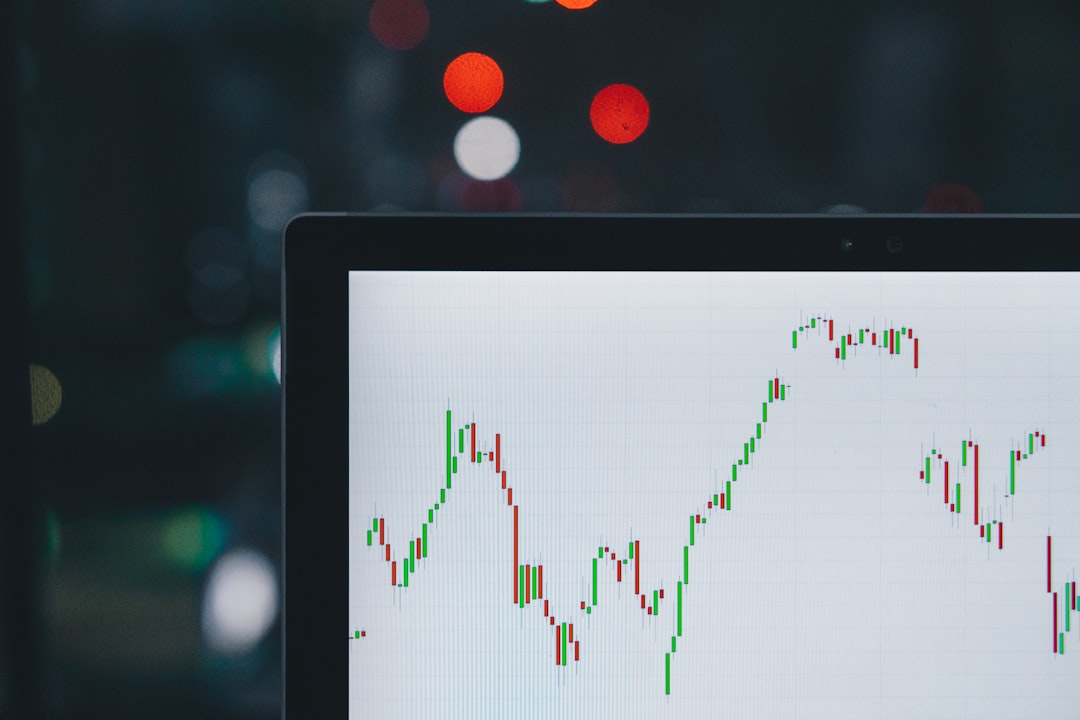
As a seasoned stock market coach who’s spent years navigating the volatile currents of financial markets, I’ve witnessed firsthand the evolution of trading strategies. But nothing, I repeat, nothing, has been as transformative and profoundly impactful as the integration of Artificial Intelligence (AI). For the modern trader, the days of manual chart scanning and gut feeling are rapidly fading into the rearview mirror, replaced by the relentless processing power and uncanny foresight of AI. This isn’t science fiction anymore; it’s the present and the undeniable future of how we understand, predict, and profit from the stock market.
The sheer volume of data generated in financial markets is staggering – a deluge of news articles, earnings reports, social media chatter, economic indicators, and price movements. For decades, human analysts, no matter how brilliant, were limited by their capacity to process and synthesize this information efficiently. AI, however, is a game-changer. It’s enabling algorithms to sift through millions of data points at lightning speed, delivering a level of precision and strategic insight that was once purely aspirational. Modern traders are no longer just competing with each other; they are competing with increasingly sophisticated intelligent systems.
The Unprecedented Power of Predictive Analytics and Forecasting
At the heart of AI’s revolution in stock market analysis lies its remarkable ability to predict. Traditional forecasting relied on historical trends and statistical models that, while useful, often struggled to account for the myriad of unpredictable events that can shake markets. AI, on the other hand, leverages vast datasets and advanced machine learning techniques to identify subtle patterns and correlations that would be invisible to the human eye.
Unlocking Hidden Patterns in Historical Data
AI algorithms can analyze decades of stock performance, identifying recurring patterns, cycles, and correlations that experienced traders might recognize intuitively, but AI can quantify and operationalize with incredible accuracy. These models go beyond simple moving averages; they delve into the intricate interplay of volume, volatility, and price action to build a probabilistic understanding of future movements.
Deeper Dive into Technical Indicators
While technical indicators have been a staple for traders for years, AI is taking them to a new level. Instead of just observing a single indicator, AI can analyze the confluence of dozens, even hundreds, of technical signals simultaneously. It can understand how different indicators interact and predict potential breakouts or breakdowns based on complex combinations that a human might miss.
Identifying Macroeconomic Influences
Economic indicators – interest rates, inflation, employment figures, GDP growth – have always been crucial for understanding market direction. AI can process these indicators in real-time, alongside global news and geopolitical events, to correlate their impact on specific sectors and individual stocks. This allows for a more dynamic and responsive forecasting model that accounts for the ever-shifting macroeconomic landscape.
Real-Time Sentiment Analysis: The Pulse of the Market
The emotional aspect of the stock market – investor sentiment – has always been a critical, yet elusive, factor. Fear and greed can drive prices irrationally. AI, armed with Natural Language Processing (NLP) capabilities, is now capable of interpreting this sentiment in real-time.
Social Media and News Feed Interpretation
AI can scan millions of tweets, forum posts, news articles, and financial blog comments to gauge the prevailing mood around a particular stock or the market as a whole. It can differentiate between genuine enthusiasm, panic selling, and speculative buzz, providing traders with an early warning system for potential market reactions.
Detecting Subtle Shifts in Tone
Beyond just identifying keywords, advanced NLP models can detect subtle shifts in tone, irony, sarcasm, and the urgency of online discussions. This allows for a more nuanced understanding of sentiment that goes beyond simple keyword matching, offering a more accurate reflection of investor psychology.
Predicting Market Reactions to News
When significant news breaks – an earnings report, a new product launch, a regulatory change – AI can quickly analyze the sentiment surrounding that news and predict how the market is likely to react. This allows traders to position themselves ahead of the crowd, capitalizing on the initial price movements.
In the rapidly evolving landscape of finance, the integration of artificial intelligence into stock market analysis is reshaping the strategies employed by modern traders. For a deeper understanding of this transformation, you can explore a related article that delves into the various ways AI is enhancing trading decisions and market predictions. Check out the insightful piece on this topic at How AI is Transforming Stock Market Analysis for Modern Traders.
The Revolution in High-Frequency Trading and Algorithmic Dominance
Perhaps the most visible manifestation of AI in trading is in the realm of High-Frequency Trading (HFT) and the broader dominance of algorithmic trading. AI has become the engine powering these ultra-fast, complex trading systems, fundamentally reshaping the dynamics of capital markets.
AI-Powered HFT: Speed and Precision Redefined
HFT, by its nature, relies on executing trades in fractions of a second to capitalize on minuscule price discrepancies. AI algorithms are perfectly suited for this task, capable of processing market data and executing orders at speeds that are physically impossible for humans.
Exploiting Microscopic Price Differences
AI can identify and exploit price differences between exchanges or across different trading instruments in mere milliseconds. This requires incredibly sophisticated algorithms that can constantly monitor a vast array of data streams and make instantaneous trading decisions.
Adapting to Market Microstructure
The “microstructure” of the market – the intricate details of how trades are executed, the flow of orders, and the impact of different market participants – is also being analyzed by AI. This allows HFT algorithms to not only trade faster but also more intelligently, adapting their strategies to the prevailing market microstructure.
The Rise of Algorithmic Trading Dominance
It’s no longer a niche strategy; algorithmic trading now accounts for a significant majority of trading volume in developed markets. AI is the driving force behind the increasing complexity and adaptability of these algorithms.
Beyond Static Rules
Traditional algorithmic trading often relied on static rules. AI-powered algorithms, however, are adaptive. They learn from their successes and failures, continuously refining their strategies in real-time based on live market data. This makes them far more robust and capable of performing in dynamic market conditions.
Processing Massive Data in Real-Time
As mentioned earlier, AI agents can process millions of data points in seconds. This capability is essential for algorithmic trading, allowing algorithms to react to new information and market shifts far faster than human traders, giving them a crucial advantage.
Ensuring Continuous Learning and Adaptation
Reinforcement learning, a subset of AI, is particularly well-suited for algorithmic trading. These systems can continuously learn and adapt by interacting with the market environment, striving to maximize rewards (profits) and minimize penalties (losses). This creates a feedback loop that constantly improves the algorithm’s performance.
Achieving Superior Portfolio Performance with AI Funds
For individual investors and even institutional asset managers, the pursuit of superior returns has always been the ultimate goal. AI is now emerging as a powerful tool to achieve this, with AI-powered funds demonstrating a consistent ability to outperform traditional benchmarks.
AI-Driven ETFs Outperforming Benchmarks
The emergence of AI-backed Exchange Traded Funds (ETFs) is a testament to the power of these technologies. Funds like the IBM Watson-backed ETF AIEQ have consistently shown an ability to outperform established indices like the S&P 500. This is not a fluke; it’s a result of AI’s analytical prowess.
Data-Driven Stock Selection
Instead of relying on the subjective opinions of human stock-pickers, these AI-powered funds utilize AI to analyze a comprehensive universe of stocks. They crunch financial statements, earnings calls, news, and sentiment data to identify undervalued companies with strong growth potential.
Dynamic Portfolio Rebalancing
AI doesn’t just select stocks; it also manages the portfolio dynamically. It can identify when a stock’s fundamentals have changed, when sentiment has turned negative, or when external economic factors warrant a shift in allocation. This allows for proactive portfolio adjustments that aim to minimize risk and maximize returns.
Identifying Unforeseen Opportunities
AI’s ability to process vast amounts of information from diverse sources can uncover investment opportunities that might be overlooked by traditional methods. This includes identifying companies benefiting from emerging trends or sectors that are poised for growth, even if they aren’t yet widely recognized.
The Automation of Investment Advisory Services
The trend towards automation is not limited to trading algorithms; it’s also transforming how investment advice is delivered and how portfolios are managed. Major financial institutions are increasingly turning to AI to manage their actively invested equity funds.
Self-Learning AI Advisors at Major Firms
Leading asset managers like BlackRock are investing heavily in AI technology to replace human stock-pickers for certain actively managed equity funds. These AI advisors are not static programs; they are self-learning systems that evolve their investment strategies over time.
Objective and Data-Centric Decision Making
Human biases can inadvertently influence investment decisions. AI advisors, by contrast, are driven purely by data and algorithms. This leads to more objective and consistent decision-making, free from emotional interference and market overreactions.
Scalability and Accessibility
AI-powered advisory services can be scaled to manage vast sums of capital efficiently. Furthermore, they have the potential to make sophisticated investment management more accessible to a wider range of investors, potentially democratizing access to advanced financial strategies.
Continuous Monitoring and Adaptation
These AI advisors continuously monitor market conditions, economic indicators, and company-specific data. They adapt their portfolios in real-time to changing circumstances, aiming to maintain optimal risk-adjusted returns.
As the landscape of finance evolves, traders are increasingly relying on technology to enhance their decision-making processes. In this context, the article on the impact of AI on financial markets provides valuable insights into how artificial intelligence is reshaping investment strategies and market predictions. By leveraging advanced algorithms and machine learning techniques, traders can analyze vast amounts of data more efficiently, allowing them to identify trends and make informed choices in real-time. This integration of AI not only streamlines stock market analysis but also empowers modern traders to stay ahead in a competitive environment.
Enhanced Risk Management through Advanced AI Capabilities
In the volatile world of stock markets, risk management is paramount. AI is proving to be an invaluable tool in identifying, assessing, and mitigating potential risks, allowing traders to navigate uncertainty with greater confidence.
Identifying Market Volatilities with Precision
AI algorithms can analyze historical data and current market conditions to identify patterns that often precede periods of heightened volatility. This early detection allows traders to take protective measures before significant market downturns occur.
Stress Testing Portfolios
AI can be used to “stress test” portfolios under various hypothetical market scenarios, from economic recessions to geopolitical crises. This helps traders understand their portfolio’s resilience and identify potential vulnerabilities.
Detecting Anomalous Trading Behavior
AI can also monitor trading activity for anomalies that might indicate potential manipulation or other risks. By identifying unusual trading patterns, AI can flag potential issues for further investigation, helping to maintain market integrity.
Proactive Risk Mitigation Strategies
Once risks are identified, AI can also assist in developing and implementing proactive mitigation strategies.
Optimizing Hedging Strategies
AI can analyze complex hedging instruments and market conditions to recommend the most effective hedging strategies, optimizing the balance between risk reduction and cost.
Dynamic Asset Allocation Adjustments
To mitigate risk, AI can recommend dynamic adjustments to asset allocation based on changing market conditions and risk assessments. This might involve shifting towards safer assets during periods of heightened uncertainty or rebalancing to maintain desired risk exposures.
Advanced Scenario Analysis and Modeling
AI’s ability to process complex data allows for sophisticated scenario analysis that goes beyond traditional methods.
Simulating Complex Market Interactions
AI can simulate the intricate interactions between various economic factors, geopolitical events, and market participants to model potential outcomes under a wide range of future scenarios.
Quantifying Tail Risk
AI can be particularly helpful in quantifying “tail risk” – the risk of rare but catastrophic events. By analyzing historical data and complex models, AI can provide more accurate estimates of the probability and potential impact of such events.
The Future of Trading: Visualizations, Hybrid Models, and Beyond
The transformative power of AI in stock market analysis is far from reaching its zenith. We are witnessing the emergence of sophisticated visual analysis techniques, the integration of hybrid models, and the exploration of even more advanced computing power.
Visual and Graph-Based Analysis for Deeper Insights
Traditional financial analysis often relies on numerical data and charts. New AI models are leveraging advanced techniques to transform complex financial data into intuitive visualizations, providing deeper and more accessible insights.
Predicting Returns through Visual Patterns
Models like VRNNS (Visual Recurrent Neural Networks) are being developed to analyze stock market data as if it were an image. By identifying visual patterns and similarities, these AI models can predict weekly returns and identify firms with similar underlying characteristics, often outperforming traditional trend-following strategies.
Uncovering Firm Similarities
These visual AI models can identify subtle similarities between companies that might not be apparent through traditional quantitative analysis. This can lead to discovering new investment themes or identifying companies that are poised to benefit from similar industry trends.
Interactive Data Exploration
The move towards visual representation also facilitates more interactive data exploration for traders. Instead of sifting through rows of numbers, traders can engage with visual representations of data, allowing for a more intuitive and analytical approach to understanding market dynamics.
The Integration of Hybrid and Quantum Models
The quest for even greater predictive power leads us to the integration of hybrid models and the exploration of quantum computing.
Combining Strengths of Different AI Approaches
Hybrid models combine the strengths of different AI techniques, such as machine learning with statistical modeling, or even combining different types of neural networks. This layered approach can lead to more robust and accurate predictions by mitigating the weaknesses of any single AI method.
Exploring Quantum Computing for Finance
Quantum computing, with its immense processing power, holds the potential to revolutionize financial modeling and analysis. While still in its nascent stages for widespread adoption, research is actively exploring its application in complex portfolio optimization, asset valuation, and the analysis of highly complex financial derivatives.
Enhancing Complex Predictions
The ability of quantum computers to handle vast computational problems makes them ideally suited for tackling the most complex financial predictions, such as simulating entire market ecosystems or optimizing portfolios with an unprecedented number of variables.
The Intersection with Blockchain and Decentralized Finance (DeFi)
AI is also finding new frontiers in the rapidly evolving world of blockchain and decentralized finance.
Continuous Learning in Dynamic DeFi Systems
AI, especially through reinforcement learning, can continuously learn and adapt from the dynamic and often unpredictable conditions within decentralized finance systems, enabling more sophisticated trading and risk management in this new financial landscape.
Enhancing Smart Contract Functionality
AI can potentially be integrated into smart contracts on blockchain platforms to enable more intelligent and autonomous financial transactions, such as automated execution of complex trading strategies or dynamic lending protocols.
Unlocking New Opportunities in Decentralized Markets
The combination of AI and blockchain technologies promises to unlock new opportunities in decentralized markets, creating more efficient, transparent, and intelligent financial ecosystems.
In conclusion, for the modern trader, embracing AI is no longer an option; it’s a necessity. The landscape of stock market analysis has been irrevocably altered. From lightning-fast HFT to sophisticated predictive analytics and automated advisory services, AI is empowering traders with unprecedented insights, precision, and strategic advantages. As these technologies continue to evolve, the ability to harness their power will be the defining characteristic of successful traders in the years to come. The future of trading is intelligent, adaptive, and inextricably linked to the power of artificial intelligence.
FAQs
What is AI’s role in stock market analysis for modern traders?
AI plays a crucial role in stock market analysis for modern traders by providing advanced data analysis, pattern recognition, and predictive modeling to help traders make informed decisions.
How does AI improve stock market analysis compared to traditional methods?
AI improves stock market analysis by processing large volumes of data at a faster rate, identifying complex patterns, and making more accurate predictions, which can lead to better trading strategies and outcomes.
What are some common AI techniques used in stock market analysis?
Common AI techniques used in stock market analysis include machine learning algorithms, natural language processing for sentiment analysis, deep learning for pattern recognition, and predictive analytics for forecasting market trends.
What are the benefits of using AI in stock market analysis for traders?
The benefits of using AI in stock market analysis for traders include improved decision-making, reduced risk, increased efficiency in analyzing market data, and the ability to uncover insights that may not be apparent through traditional analysis methods.
Are there any limitations or challenges associated with using AI in stock market analysis?
Some limitations and challenges associated with using AI in stock market analysis include the potential for algorithmic biases, the need for high-quality data inputs, and the complexity of interpreting AI-generated insights for trading decisions.