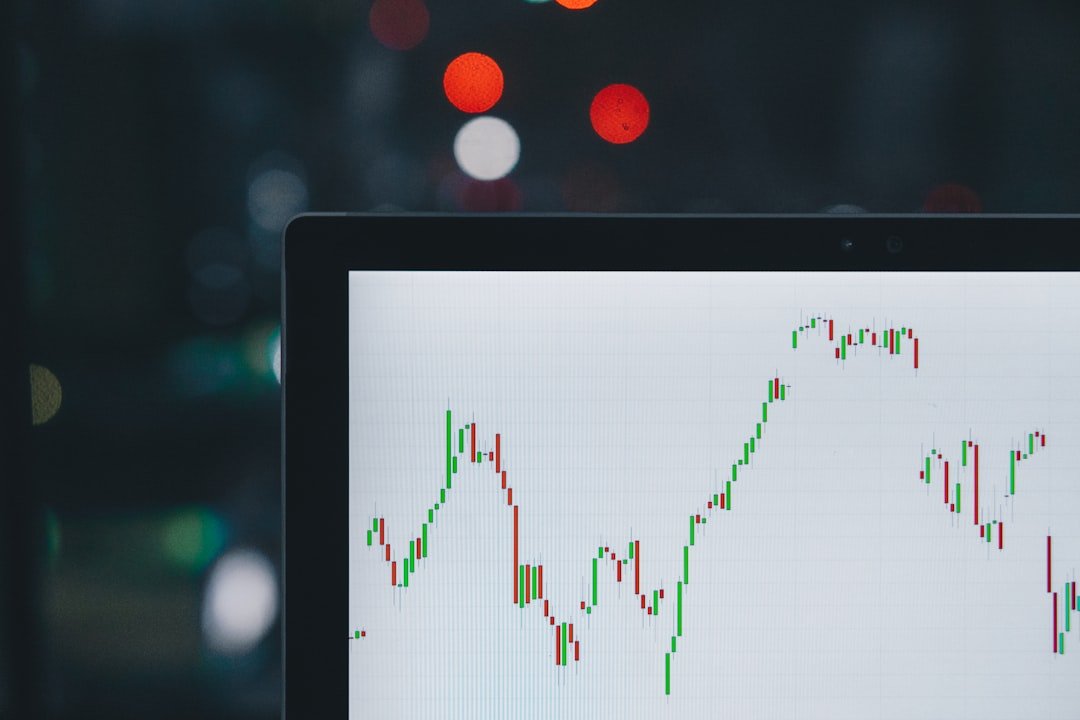
The financial markets have always been a crucible of innovation, constantly evolving with advancements in technology. From the open outcry pits to electronic trading, the journey has been one of increasing speed, complexity, and data. Today, we stand on the precipice of another transformative era, one where Artificial Intelligence (AI) is poised to fundamentally reshape algorithmic trading. As a seasoned observer of these markets, I’ve witnessed firsthand the growing sophistication of these automated systems, and the integration of AI promises to elevate them to unprecedented levels. This article will delve into the future of algorithmic trading, highlighting the key AI trends that market participants, from individual investors to institutional giants, must closely monitor.
For years, algorithmic trading has been synonymous with pre-programmed rules, executing orders based on technical indicators, market data, and pre-defined strategies. While highly effective in their domain, these algorithms often lacked adaptability and the ability to learn from dynamic market conditions. This is where AI steps in, offering a paradigm shift.
Machine Learning at the Core
At the heart of the AI revolution in trading lies machine learning (ML). Unlike traditional algorithms, ML models can learn from vast datasets, identify intricate patterns, and make predictions or decisions without being explicitly programmed for every scenario. This capability is proving invaluable in navigating the chaotic and often irrational world of financial markets.
- Supervised Learning for Predictive Analytics: This involves training models on labeled data – historical market data coupled with corresponding outcomes (e.g., price movements, volatility spikes). These models can then be used to predict future price direction, identify potential breakout opportunities, or forecast market sentiment. The accuracy and sophistication of these predictive models are continuously improving, offering traders a significant edge.
- Unsupervised Learning for Pattern Recognition: Unsupervised learning techniques are adept at discovering hidden structures and anomalies within data without prior labels. This is crucial for identifying emerging market trends, detecting novel arbitrage opportunities, or even pinpointing manipulative trading activities that might otherwise go unnoticed. Clustering algorithms, for instance, can group similar market behaviors, providing insights into underlying market dynamics.
- Reinforcement Learning for Optimal Strategy Execution: This is arguably the most exciting frontier. Reinforcement learning (RL) agents learn through trial and error, interacting with a simulated trading environment and receiving rewards or penalties based on their actions. This allows them to develop optimal trading strategies that adapt to changing market conditions in real-time, potentially outperforming even the most experienced human traders in terms of execution and risk management.
Natural Language Processing: Unlocking Unstructured Data
The financial markets are not solely driven by numerical data. News, social media, analyst reports, and corporate filings all contain invaluable information, often in unstructured text format. Natural Language Processing (NLP) is the AI branch designed to understand and interpret human language, and its impact on algorithmic trading is profound.
Sentiment Analysis for Market Pulse
One of the most immediate applications of NLP is sentiment analysis. By analyzing news headlines, social media posts (e.g., Twitter, Reddit), and financial forums, algorithms can gauge the prevailing market sentiment towards a particular stock, sector, or even the broader economy.
- Real-time News Processing: Low-latency NLP systems can process breaking news almost instantaneously, identifying keywords, entities, and sentiment shifts that could impact asset prices. This allows algorithms to react to market-moving events faster than human traders, capitalizing on fleeting opportunities.
- Social Media Monitoring: The rise of retail trading and online communities has made social media a powerful, albeit often noisy, indicator of market sentiment. NLP algorithms can filter out the noise, identify influential voices, and detect emerging trends or speculative bubbles before they fully materialize.
- Earnings Call Transcript Analysis: Beyond just the numbers, the tone and language used in earnings call transcripts can reveal crucial insights into a company’s future prospects. NLP can analyze these transcripts to detect subtle shifts in management confidence, potential risks, or overlooked opportunities.
Beyond Sentiment: Information Extraction and Event Detection
NLP’s capabilities extend far beyond simple sentiment. It can be used to extract specific facts, relationships, and events from text, providing a richer understanding of market drivers.
- Automated Event Detection: Algorithms can be trained to identify specific market-moving events from news articles or regulatory filings, such as mergers and acquisitions, product launches, or executive changes. This allows for automated trading responses based on pre-defined strategies for these events.
- Relationship Extraction: NLP can identify relationships between entities (e.g., companies, individuals, products) mentioned in financial texts. This can help in building knowledge graphs that provide a comprehensive view of interconnected market dynamics, uncovering subtle dependencies and influences.
- Regulatory Compliance and Risk Management: NLP can also play a crucial role in sifting through vast amounts of regulatory documents and internal communications to identify potential compliance breaches or emerging risks, safeguarding firms from costly penalties.
Deep Learning: The Power of Neural Networks

Deep learning, a subset of machine learning inspired by the structure and function of the human brain, has propelled AI’s capabilities to new heights. Its ability to process and learn from highly complex, multi-layered data makes it particularly well-suited for the intricacies of financial markets.
Time Series Forecasting with Recurrent Neural Networks
Financial data is inherently sequential and time-dependent. Recurrent Neural Networks (RNNs), and particularly their advanced forms like Long Short-Term Memory (LSTM) networks, are exceptionally good at processing sequential data, making them invaluable for time series forecasting.
- Price Prediction and Volatility Forecasting: LSTMs can learn long-term dependencies in market data, enabling more accurate predictions of future price movements, volatility, and correlations between assets. This is a significant improvement over traditional statistical models that often struggle with non-linear and non-stationary financial data.
- High-Frequency Trading Optimization: In high-frequency trading (HFT), where decisions are made in microseconds, deep learning models can analyze order book data, micro-structure dynamics, and liquidity patterns in real-time to optimize order placement and execution strategies, minimizing slippage and maximizing fill rates.
- Predicting Market Regimes: Markets often shift between different regimes (e.g., trending, range-bound, volatile). Deep learning can identify these regime shifts earlier and more accurately, allowing algorithms to adapt their strategies to prevailing market conditions, enhancing profitability and reducing risk.
Anomaly Detection for Fraud and Risk Management
Deep learning excels at identifying subtle deviations from normal patterns, making it a powerful tool for anomaly detection. This is critical for both fraud prevention and risk management in algorithmic trading.
- Algorithmic Trading Fraud Detection: Malicious actors may attempt to manipulate markets using sophisticated spoofing or layering tactics. Deep learning models can analyze vast streams of trading data to identify these abnormal trading patterns, flagging suspicious activities for investigation.
- Market Manipulation Identification: Beyond individual fraud, deep learning can also identify coordinated market manipulation schemes that involve multiple participants or complex order flows, protecting market integrity.
- Operational Risk Monitoring: Failures in trading infrastructure, data feeds, or connectivity can have severe consequences. Deep learning can monitor system performance and data integrity in real-time, detecting anomalies that could indicate an impending operational issue.
Reinforcement Learning: Learning to Trade in Dynamic Environments
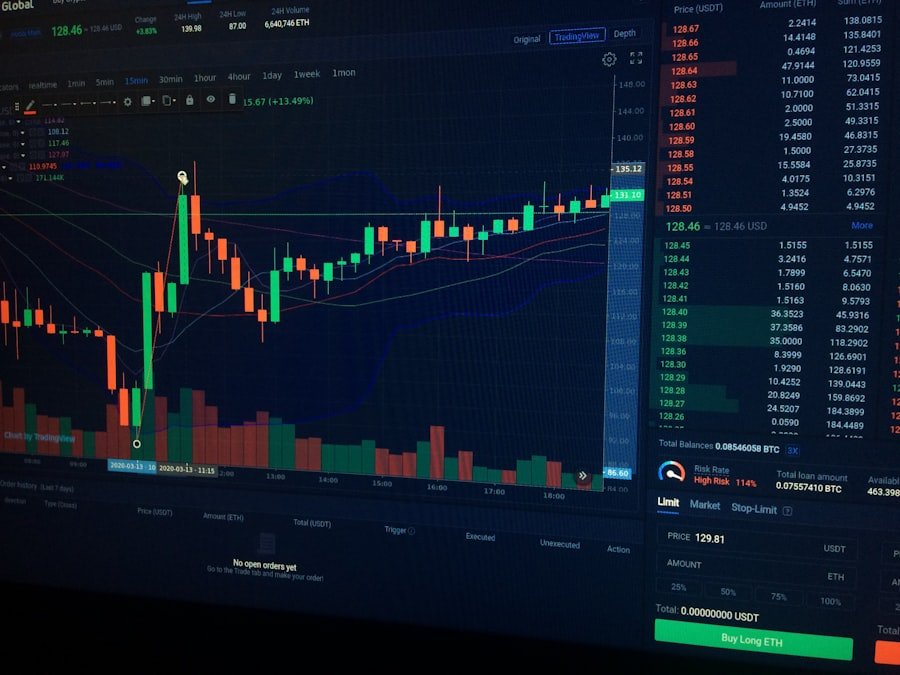
As mentioned earlier, reinforcement learning is set to revolutionize strategy development. Its ability to learn optimal policies through interaction with an environment, rather than relying solely on historical data, makes it incredibly powerful for financial trading, where market dynamics are constantly shifting.
Developing Adaptive Trading Strategies
Unlike static rule-based systems, RL agents can evolve their strategies as market conditions change, leading to more robust and profitable outcomes.
- Optimal Execution Strategies: RL agents can learn to execute large orders with minimal market impact by dynamically adjusting order size, timing, and venue based on real-time market liquidity and volatility. This is particularly valuable for institutional investors.
- Portfolio Management and Asset Allocation: RL can be used to optimize portfolio allocation by learning to adjust asset weights based on predicted market movements, risk preferences, and evolving correlations between assets, aiming to maximize returns while managing risk.
- Market Making Optimization: In market making, RL agents can learn to optimally set bid and ask prices, manage inventory risk, and adapt to changing order book dynamics, potentially leading to more efficient and profitable market making operations.
Simulations and Hyper-Realistic Environments
The success of RL largely depends on the quality of the training environment. Financial markets are complex, so building hyper-realistic simulation environments is crucial for developing robust RL trading agents.
- High-Fidelity Market Simulators: These simulators replicate market microstructure, order book dynamics, and latency effects, allowing RL agents to learn in an environment that closely mirrors real-world conditions. This reduces the risk of models failing when deployed live.
- Adversarial Training: Incorporating adversarial elements into simulations, where competing RL agents or simulated market participants try to exploit weaknesses, can help create more resilient and adaptable trading strategies.
- Synthetic Data Generation: Generative AI techniques can be used to create vast amounts of synthetic financial data that mimics real-world market behavior, allowing for more extensive training of RL agents, especially for rare events that are underrepresented in historical data.
Explainable AI and Regulatory Scrutiny: The Human Element Remains
| AI Trends | Impact |
|---|---|
| Machine Learning | Improves predictive analytics |
| Natural Language Processing | Enhances news sentiment analysis |
| Deep Learning | Enables complex pattern recognition |
| Reinforcement Learning | Optimizes trading strategies |
While AI promises unprecedented capabilities, its black-box nature raises concerns, particularly in a highly regulated industry like finance. The future of algorithmic trading will also involve a significant focus on Explainable AI (XAI) and navigating increased regulatory scrutiny.
Understanding AI Decisions
As AI models become more complex, understanding why they make certain decisions becomes challenging. XAI aims to address this by making AI models more transparent and interpretable.
- Feature Importance Analysis: Techniques like SHAP (SHapley Additive exPlanations) values can quantify the contribution of each input feature to an AI model’s output, helping traders understand which factors are driving a particular decision.
- Visualization Tools: Developing intuitive visualization tools that illustrate the internal workings of AI models and the logic behind their trades will be crucial for building trust and enabling human oversight.
- Counterfactual Explanations: These explain what would need to change in the input data for the model to make a different decision, providing insights into its sensitivity and decision boundaries.
Regulatory Oversight and Ethical Considerations
Regulators worldwide are keenly aware of the growing influence of AI in financial markets and are developing frameworks to address potential risks.
- Transparency Requirements: Regulators are likely to impose stricter transparency requirements on AI-driven trading systems, demanding detailed explanations of their decision-making processes and risk profiles.
- Bias Detection and Mitigation: AI models can inherit biases from their training data, potentially leading to unfair or discriminatory outcomes. Identifying and mitigating these biases will be a critical ethical and regulatory challenge.
- Robustness and Explainability for Audits: Firms deploying AI in trading will need to demonstrate the robustness, fairness, and explainability of their systems for regulatory audits and compliance checks. This will involve rigorous testing, validation, and documentation.
- Cybersecurity and AI Security: As AI systems become central to trading, their security against cyberattacks and malicious manipulation becomes paramount. Protecting these systems and their data will be a continuous challenge.
In conclusion, the future of algorithmic trading is inextricably linked with the advancements in AI. From sophisticated machine learning models predicting market movements to NLP unlocking insights from unstructured data, deep learning optimizing high-frequency strategies, and reinforcement learning developing adaptive trading intelligence, AI is transforming every facet of automated trading. However, this evolution will not be without its challenges. The need for explainable AI, robust regulatory frameworks, and a continued emphasis on human oversight will be paramount to harnessing AI’s immense potential responsibly and ethically. The markets of tomorrow will undoubtedly be faster, smarter, and more efficient, driven by the intelligent machines we are building today. Those who embrace and adapt to these AI trends will be the ones who truly thrive in this new era of financial innovation.