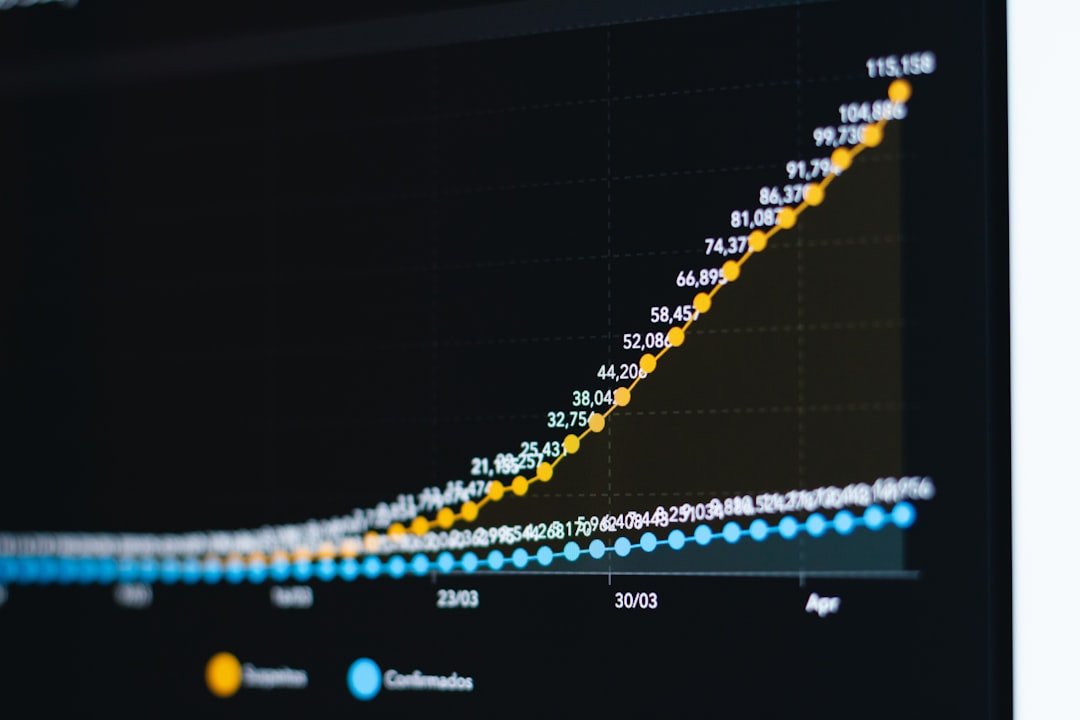
The financial world, once primarily driven by gut instincts and fundamental analysis, is now in the midst of a profound transformation, spearheaded by the advent of Big Data. This deluge of information, far exceeding the capacity of traditional processing methods, is fundamentally reshaping how investment decisions are made, moving them from art to a more precise, data-driven science. From individual investors to colossal hedge funds, the embrace of Big Data is no longer an option but a strategic imperative for gaining a competitive edge and generating superior returns.
Before delving into its impact, it’s crucial to define what constitutes Big Data within the financial ecosystem. It’s not just about more data; it’s about the “Vs”: Volume, Velocity, Variety, Veracity, and Value.
Volume: The Sheer Scale of Information
The sheer quantity of financial data is staggering and constantly growing. This includes everything from:
- Historical Stock Prices and Trading Volumes: Decades of minute-by-minute, even second-by-second, price movements for every publicly traded security.
- Economic Indicators: GDP growth, inflation rates, unemployment figures, interest rates, and countless other macroeconomic data points from governmental and international bodies.
- Company Financials: Quarterly and annual reports, balance sheets, income statements, cash flow statements for thousands of companies.
- News and Media Feeds: Millions of articles, press releases, social media posts, and online discussions about companies, industries, and global events.
- Alternative Data: Satellite imagery of retail parking lots, credit card transaction data, web scraping results, shipping data, and even anonymized mobile phone location data, all offering insights into economic activity and company performance.
Velocity: The Speed of Data Generation
Financial markets operate at lightning speed. Data is generated and requires analysis in real-time or near real-time. This includes:
- High-Frequency Trading Data: Algorithmic trading systems generate and consume data in milliseconds, making rapid decisions based on fleeting market opportunities.
- Real-time News and Social Media: Events unfold instantly, and their impact on market sentiment can be immediate.
- Streaming Market Data: Live feeds of stock prices, bond yields, currency exchange rates, and commodity prices are constantly updating.
Variety: The Diverse Formats of Data
Financial data comes in a multitude of formats, both structured and unstructured.
- Structured Data: Traditional databases containing numerical data like stock prices, earnings figures, and economic statistics. This data is easily organized and searchable.
- Unstructured Data: Textual information from news articles, social media comments, analyst reports, and audio/video transcripts of earnings calls. This requires advanced processing techniques like Natural Language Processing (NLP) to extract meaningful insights.
Veracity: The Reliability and Quality of Data
The trustworthiness of data is paramount in financial decision-making. Inaccurate or biased data can lead to disastrous investment outcomes.
- Data Cleaning and Validation: Robust processes are needed to identify and correct errors, inconsistencies, and outliers in datasets.
- Source Credibility: Evaluating the reliability of data sources is crucial, especially with the proliferation of online information.
Value: Extracting Actionable Insights
Ultimately, the goal of Big Data is to extract valuable, actionable insights that can lead to superior investment returns. Without this, the other “Vs” are merely academic exercises.
The Evolution of Investment Strategies Through Big Data
The traditional investment approaches, while still relevant, are being augmented and, in some cases, revolutionized by Big Data.
Enhanced Fundamental Analysis
While fundamental analysis still relies on a company’s financial health, Big Data provides a deeper, more nuanced understanding.
- Predictive Analytics for Earnings: Beyond simple past performance, sophisticated models can now leverage a vast array of internal and external data points to predict future earnings with greater accuracy. This includes supplier data, customer sentiment, product reviews, and even weather patterns affecting supply chains.
- Competitive Landscape Analysis: Big Data tools can rapidly analyze competitors’ strategies, market share shifts, product launches, and pricing changes across entire industries, offering a more dynamic view than traditional industry reports.
- Supply Chain Resilience: By analyzing shipping data, commodity prices, and geopolitical events, investors can assess the resilience of a company’s supply chain to disruptions, a crucial factor in today’s volatile global economy.
Augmenting Technical Analysis
Technical analysis, which focuses on price and volume patterns, benefits immensely from the speed and depth of Big Data.
- High-Frequency Pattern Recognition: Algorithms can identify complex, ephemeral patterns in high-frequency trading data that are invisible to the human eye, potentially signaling imminent price movements.
- Sentiment Indicators from Social Media: While anecdotal for human traders, aggregated social media sentiment, derived from millions of posts, can be a powerful predictive indicator for short-term market trends or specific stock movements.
- Cross-Asset Correlation Analysis: Big Data allows for the rapid identification of subtle correlations between different asset classes (e.g., how bond yields impact tech stocks), enabling more sophisticated hedging and diversification strategies.
The Rise of Quantitative Investing and Algorithmic Trading
This is perhaps where Big Data has had its most profound impact, creating entirely new investment paradigms.
- Factor-Based Investing: Investors can identify and isolate specific “factors” (e.g., value, momentum, quality, low volatility) that have historically driven returns. Big Data allows for the backtesting and optimization of these factors across vast datasets, leading to more robust factor-based portfolios.
- Machine Learning for Alpha Generation: Machine learning algorithms can identify complex, non-linear relationships within financial data that human analysts might miss. These models can predict market movements, identify mispriced assets, and even generate entirely new trading signals.
- Event-Driven Strategies: Algorithms can be programmed to react instantly to specific news events (e.g., earnings announcements, regulatory changes, geopolitical events), executing trades faster than any human can react, capitalizing on short-term market dislocations.
The Power of Alternative Data in Investment Decisions
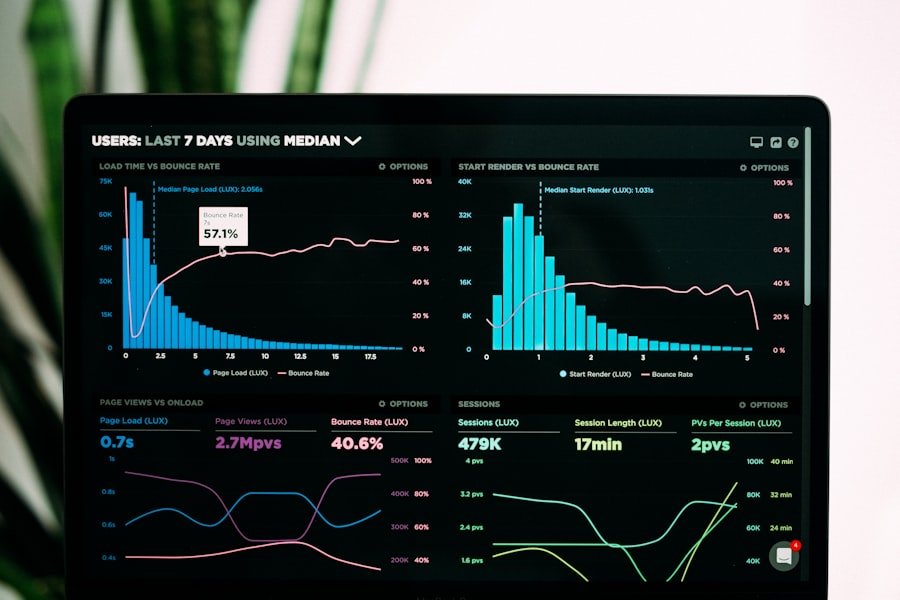
Alternative data, a burgeoning category within Big Data, is proving to be a game-changer for sophisticated investors.
Gaining an Information Edge
Traditional financial data is widely available and often priced into the market. Alternative data offers a unique, often forward-looking, perspective.
- Credit Card Transaction Data: By anonymizing and aggregating credit card transactions, investors can gain insights into consumer spending patterns, retail sales performance for specific companies, and even broader economic trends before official reports are released.
- Satellite Imagery: Analyzing satellite images of retail parking lots, factory activity, or agricultural yields can provide real-time indicators of company performance or commodity supply.
- Web Scraping and E-commerce Data: Scraping product pricing, inventory levels, and customer reviews from e-commerce sites can reveal insights into a company’s sales trajectory, competitive pricing strategies, and product popularity.
Identifying Emerging Trends and Risks
Alternative data often acts as an early warning system or an indicator of nascent trends.
- Job Posting Data: Analyzing job postings can signal growth or contraction in specific industries or companies, providing an early indication of future earnings potential or challenges.
- Social Media Chatter for Product Success: The volume and sentiment of social media discussions around a new product launch can be a strong predictor of its commercial success.
- Geospatial Data for Real Estate and Infrastructure: Location data can be used to analyze traffic patterns, footfall, and development potential, informing real estate investments or investments in companies tied to specific geographies.
Challenges and Considerations in Leveraging Big Data

While the opportunities are immense, harnessing Big Data for investment is not without its hurdles.
Data Quality and Bias
The old adage “garbage in, garbage out” is particularly true with Big Data.
- Noise vs. Signal: Sifting through vast amounts of data to find meaningful signals amidst the noise requires sophisticated filtering and analytical techniques.
- Bias in Data Sources: Data can inherently carry biases (e.g., social media sentiment might not represent the broader population), which, if not accounted for, can lead to flawed models and poor investment decisions.
- Data Security and Privacy: Handling sensitive financial and personal data necessitates stringent security measures and adherence to privacy regulations (e.g., GDPR, CCPA).
Technological Infrastructure and Talent
Implementing Big Data solutions requires significant investment in both technology and human capital.
- Scalable Computing Power: Processing petabytes of data demands robust cloud infrastructure, high-performance computing, and specialized databases.
- Data Scientists and AI Engineers: A shortage of skilled professionals who can build, deploy, and maintain these complex data pipelines and analytical models remains a significant challenge.
- Integration with Existing Systems: Integrating new Big Data platforms with legacy financial systems can be a complex and time-consuming endeavor.
Ethical Considerations and Regulatory Oversight
The power of Big Data also raises important ethical and regulatory questions.
- Algorithmic Transparency: The “black box” nature of some advanced AI models can make it difficult to understand why certain investment decisions are made, raising concerns about accountability.
- Market Manipulation: The misuse of Big Data, particularly in high-frequency trading, could lead to new forms of market manipulation.
- Fairness and Discrimination: If models are trained on biased data, they could inadvertently perpetuate or even amplify existing biases, leading to unfair outcomes. Regulators are increasingly scrutinizing the ethical implications of AI in finance.
The Future of Investment: A Big Data-Driven World
| Metrics | Data |
|---|---|
| Stock Performance | Historical and real-time stock prices, trading volumes, and market trends |
| Market Sentiment | Social media data, news sentiment analysis, and investor sentiment indicators |
| Company Fundamentals | Financial statements, earnings reports, and key performance indicators |
| Macroeconomic Indicators | GDP growth, inflation rates, interest rates, and unemployment data |
| Alternative Data | Consumer behavior data, satellite imagery, and weather patterns |
The trajectory is clear: Big Data will continue to play an increasingly dominant role in investment decisions. As technology advances and data sources proliferate, the sophistication of analytical models will grow exponentially.
Hyper-Personalized Investment Portfolios
Future investment platforms will leverage Big Data to create highly personalized portfolios tailored to individual risk tolerances, financial goals, ethical preferences (ESG factors), and even behavioral biases, going far beyond traditional demographic segmentation.
Predictive Analytics Beyond Price
The focus will expand beyond predicting price movements to forecasting broader economic trends, geopolitical shifts, and the long-term impact of climate change on specific industries and companies, enabling more proactive and resilient investment strategies.
The Democratization of Advanced Analytics
While currently dominated by large institutions, the tools and insights derived from Big Data will gradually become more accessible to individual investors through user-friendly platforms and AI-powered financial advisors, leveling the playing field to some extent.
In conclusion, Big Data is not just a technological trend; it is a fundamental paradigm shift that is redefining the landscape of investment. By transforming raw information into actionable intelligence, it empowers investors to make smarter, more informed, and ultimately, more profitable decisions. Those who master its complexities and embrace its potential will undoubtedly be the winners in the evolving financial markets of tomorrow.